Booking a Sandals Resorts vacation should feel like the start of a relaxed chapter, not the opening scene of an emergency. Still, travel has friction: delayed flights, lost luggage, sudden illness, or a family emergency at home can all alter plans. Travel insurance does not make those events vanish, but the right policy lets you manage them with far less stress and expense. Below I walk through practical choices and trade-offs for travelers headed to Sandals and other best Caribbean resorts, based on real bookings, claims conversations, and field experience with Caribbean travel.
Why insurance matters for Sandals Resorts travelers Sandals Resorts sell an inclusive, high-end experience: transfers, dining, activities, premium rooms in many packages. That all-in feel can lull guests into thinking nothing needs to be managed beyond passports and sunscreen. Yet the price you pay upfront for an inclusive resort is only part of the story. When you face cancellation, abrupt travel restrictions, or an unexpected hospital bill, the losses can compound quickly. A solid policy protects both your investment in prepaid resort costs and the safety net you need if medical care in a foreign country becomes necessary.

Think of travel insurance as two separate protections. The first covers your money and trip plans: trip cancellation, trip interruption, supplier default, and sometimes lost deposits. The second covers your health and convenience during travel: emergency medical, emergency evacuation, baggage loss, and trip delay. Choosing coverage means deciding how much you want to transfer from your wallet to an insurer, balanced against the price of the policy.
Common scenarios where insurance pays off A few concrete examples make the decision easier.
- A family booked a six-night stay at a Sandals property in Jamaica. Two weeks before departure the father needed an unexpected surgery. Without cancellation coverage they would have forfeited 100 percent of the prepaid room and transfers. With trip cancellation benefits covering medical reasons, they recovered most of their prepaid charges after submitting medical records and physician statements. A solo traveler missed a connection in Miami after a mechanical delay and arrived in Montego Bay a day late. The resort honored the room but not additional nights; the traveler’s trip delay benefit reimbursed reasonable accommodation and meal costs while arranging new flights. A honeymoon couple had a delayed baggage issue, their wedding clothes missing in transit. Baggage delay benefits covered purchases for essentials, and baggage loss coverage reimbursed the dress and tux tailored expenses after the airline declared the items lost.
None of the above are dramatic headline disasters, but each would have been expensive without insurance. Those incremental protections are what most Sandals guests appreciate when they file a claim.
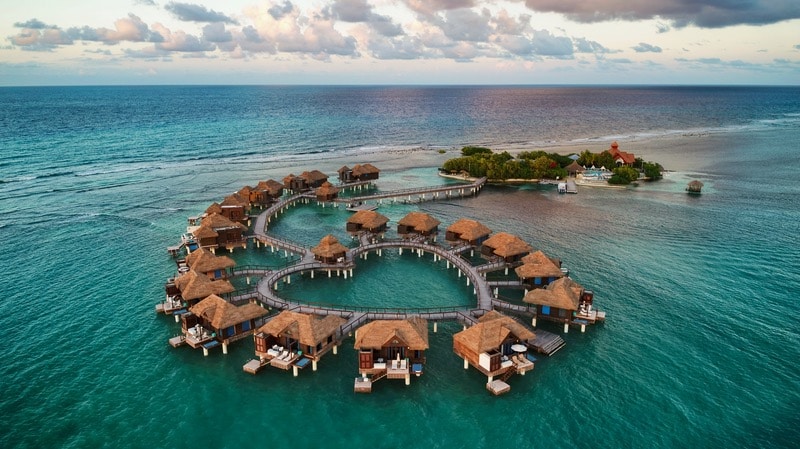
Key coverages to consider for Sandals and other Caribbean resorts Not every policy includes the same lines of coverage. Here are the primary elements to evaluate and what to look for in each.
Trip cancellation and trip interruption: These recover prepaid, nonrefundable costs when you cancel for covered reasons, or when you must cut the trip short. Covered reasons commonly include illness, serious injury, death in the family, jury duty, and certain severe weather events. Read the policy language: not all "cancel for any reason" selections are optional add-ons, and if you want a cancel for any reason benefit you usually must buy it soon after your initial payment.
Emergency medical and medical evacuation: Medical care in the Caribbean can be limited depending on island and injury severity. Emergency medical covers treatment abroad; medical evacuation covers transport to a better facility, which can cost tens of thousands of dollars. Confirm emergency evacuation limits and whether the insurer requires pre-authorization for air evacuations.
Pre-existing condition waivers: If you or a close traveling companion has a recent medical condition, a waiver can allow claims related to that condition. Waivers typically require the policy to be purchased within a strict window after your initial trip deposit, commonly 14 to 21 days. Check the exact timing and qualifying conditions.
Trip delay and missed connection: These reimburse reasonable expenses for meals, lodging, and transportation if you are stranded by covered delays. For Caribbean travel with connecting flights, this is valuable. Look at the per-diem and maximums; a policy might only cover $150 per day, which matters in islands with higher hotel costs.
Baggage loss and delay: Lost luggage is common. Baggage delay benefits reimburse essentials after a set number of hours, and baggage loss covers replacement value up to policy limits. For destination weddings or honeymoons where outfits and photography gear are high value, make sure the limits are sufficient.
Supplier Sandals Travel Insurance default and insolvency: If a vendor or tour operator fails, leading to lost prepaid funds, supplier default coverage can reimburse you. Not every policy or insurer includes this risk, and when it does, there are usually narrow filing procedures.
COVID-era and travel advisory coverage: Policies have changed since the global pandemic. Many insurers now exclude pandemics or restrict coverage related to government-imposed travel bans or advisories. If you are worried about an unexpected closure or advisories affecting a Caribbean island, read the exclusions closely.
Timing and purchase decisions that matter The moment you buy travel insurance affects the protections available and the premium cost.
Buy sooner rather than later: For many important benefits, especially the pre-existing medical condition waiver and the most generous cancel for any reason options, you must purchase within about two weeks of your initial trip payment. If you have a medical condition that could complicate travel, do not delay.
Evaluate the premium as a percentage of trip cost: Typical comprehensive policies run roughly 4 to 10 percent of the prepaid, nonrefundable trip cost, depending on traveler age and trip complexity. Higher age, adventure activities, or higher total trip value push the percentage up. For a $5,000 Sandals package, expect a policy in the low hundreds of dollars for a fairly comprehensive plan.
Single-trip versus annual multi-trip: If you take frequent weekend or short Caribbean breaks, an annual policy that covers multiple trips may be cost effective. But annual plans often cap trip lengths and per-trip benefits, so check that they match your typical Sandals stay duration.
How to read policy fine print without headaches Policies hide critical details in definitional sections. A few phrases to pinpoint:
Defined covered reasons: Know the exact events that justify a trip cancellation claim. "Unexpected illness" may require hospitalization or a physician-certified inability to travel within a narrow time window.
Pre-existing condition definitions: These vary widely. Look for clarifying language about symptom-free periods, medication changes, and doctor visits before purchase. The waiver language often stipulates that travelers must be medically stable for 60 to 90 days prior to purchase.
Maximum benefit amounts and sublimits: Policies list maximum payouts for medical, evacuation, baggage, and cancellation. For example, an evacuation benefit of $100,000 may be fine, but a baggage limit of $500 per person is low if you travel with expensive gear.
Notice and documentation requirements: Insurers commonly require notification within 24 to 72 hours of Sandals resorts ranked an incident and submission of original receipts and medical records. Missing a deadline can cost you a claim.
What Sandals offers and what you still need to check Sandals often provides recommendations but does not sell a one-size-fits-all policy for every traveler. Depending on the booking channel and package, Sandals may promote an optional vacation protection plan or partner with third-party insurers. Those plans can be convenient and tailored to Sandals policies on transfer cancellations and resort rebooking, but convenience does not always equal the best value.
If you are offered an insurer at checkout, compare its coverage limits, exclusions, and price with at least one independent policy. Pay attention to cancellation windows, required documents, and whether the plan covers supplier default if Sandals or a vendor changes terms. When in doubt, call the insurer’s customer service and ask confirmatory questions, then request those answers in writing.
Practical recommendations before you buy A short checklist you can follow while on the phone with an agent or comparing policies online.
Verify timing for pre-existing condition waivers. Know the purchase window from your initial deposit. Confirm emergency evacuation limits, and whether the policy requires pre-authorization for air ambulances. Check trip cancellation covered reasons and whether a cancel for any reason upgrade is available. Compare baggage and rental property limits to the value of items you will bring. Read notice and documentation deadlines, and ensure you can meet them if a claim occurs.Choosing the right deductible and coverage limits Just as with auto insurance, choosing a deductible is a trade-off. Lower deductibles mean higher premiums. For many Caribbean travelers, a modest deductible of $100 to $250 for baggage is sensible. For trip cancellation, plans often have no deductible or a percentage-based deductible. If your trip has high upfront prepaid costs, prioritize a higher trip cancellation benefit even if that raises the premium.
Emergency medical limits should match the risk profile of your trip. For most Sandals stays, look for at least $50,000 in emergency medical coverage and substantial evacuation limits, ideally $250,000 or more, given how quickly transport and specialized care can cost escalate. If you plan to combine resort stays with adventure activities such as scuba diving or ziplining, verify whether those activities are covered or require an additional rider.
Documenting and making a claim without friction Claims can be simple or drawn out, depending on how well you document events.
Before travel: Photograph passports, visas, itinerary, and important receipts. Leave a copy with someone at home and email the documents to yourself. Store policy numbers and insurer contact information in a phone note that does not require internet access.
During an incident: Get written statements when possible. If medical care is required, ask for itemized bills and a diagnosis. If a flight is delayed or canceled, obtain a written delay notice from the airline and detailed boarding pass stamps showing missed segments.
After an incident: File claims promptly. Insurers set submission windows; meeting them matters more than you expect. Keep originals and copies of all receipts and correspondence, and take notes of any phone calls with insurers or suppliers, including dates, times, and names.
Special considerations for honeymooners and group travel Honeymoon and wedding groups bring distinct risks: high value personal items, group payments and deposits, and emotional stakes for once-in-a-lifetime elements like photography. Consider these points.
- For wedding attire, photography gear, and expensive jewelry, check whether the policy has adequate single-item limits. You may need a scheduled item endorsement to cover a high-value wedding dress or camera equipment fully. Group bookings create interdependence. If someone in the group cancels and you have a shared villa, check whether your coverage reimburses your individual loss when another party cancels. Buyers of group travel insurance often choose a plan that encompasses both individual and group liabilities. For destination weddings, consider a supplier default option or ensure you have proof of payments to the planner, venue, or photographers, because if a vendor fails you will need documentation to support claims.
Trade-offs: price, convenience, and peace of mind Every policy purchase balances cost versus protection. Lower-cost plans may exclude evacuation or have low medical limits. Buy the plan you would want if the worst plausible scenario happened. For many travelers at Sandals, that scenario is a sudden need to be flown to the United States or a nearby island for specialized care, or the loss of thousands of dollars in prepaid resort fees due to a last-minute cancellation.
If cost is a concern, prioritize evacuation and emergency medical coverage first, then trip cancellation if your prepaid exposure is large. If you value flexibility and can afford it, look for cancel for any reason coverage, which typically reimburses a percentage of nonrefundable costs if you cancel for reasons outside the policy’s covered list.
Real-world buying tips and red flags
- Ask for a sample policy document. Sales summaries are useful, but the policy text contains the ins and outs that determine coverage. Confirm how claims are paid. Some insurers pay suppliers directly, others reimburse you after you pay. If you need assistance with immediate expenses abroad, ask whether the insurer can provide cash advances or arrange direct payment. Red flag: broad exclusions for pandemics, government advisories, or supplier insolvency without alternative protections. If you are traveling during a period of higher travel advisory risk, consider a policy with explicit language addressing those scenarios, or a refundable booking plan from the resort. Red flag: vague language about pre-authorization for medical evacuations. If the insurer can deny an evacuation because they did not authorize it in advance, you could be stuck with enormous bills.
Final thoughts before you go Booking Sandals Resorts or any of the best Caribbean resorts is a joyful experience. Treat insurance as a functional part of planning, not a bureaucratic afterthought. Purchase it early if you want the pre-existing condition benefits. Prioritize emergency evacuation and medical limits if you value physical safety above reimbursement. Keep documentation organized, and choose an insurer whose customer service you trust — speed and clarity in claims handling matter when you're somewhere tropical and stressed.
A well-chosen policy will not change the sunshine, the cocktails, or the crystal water. It will let you enjoy those things with a firmer expectation that, should anything go wrong, you will be able to resolve it quickly and at far less cost.
Name: Best Caribbean Resorts Phone number: +1 323-744-1482 Website: https://bestcaribbeanresorts.com/ Email: [email protected] Location: 1595 Peachtree Pkwy Suite 204 #225 Atlanta, GA 30041